
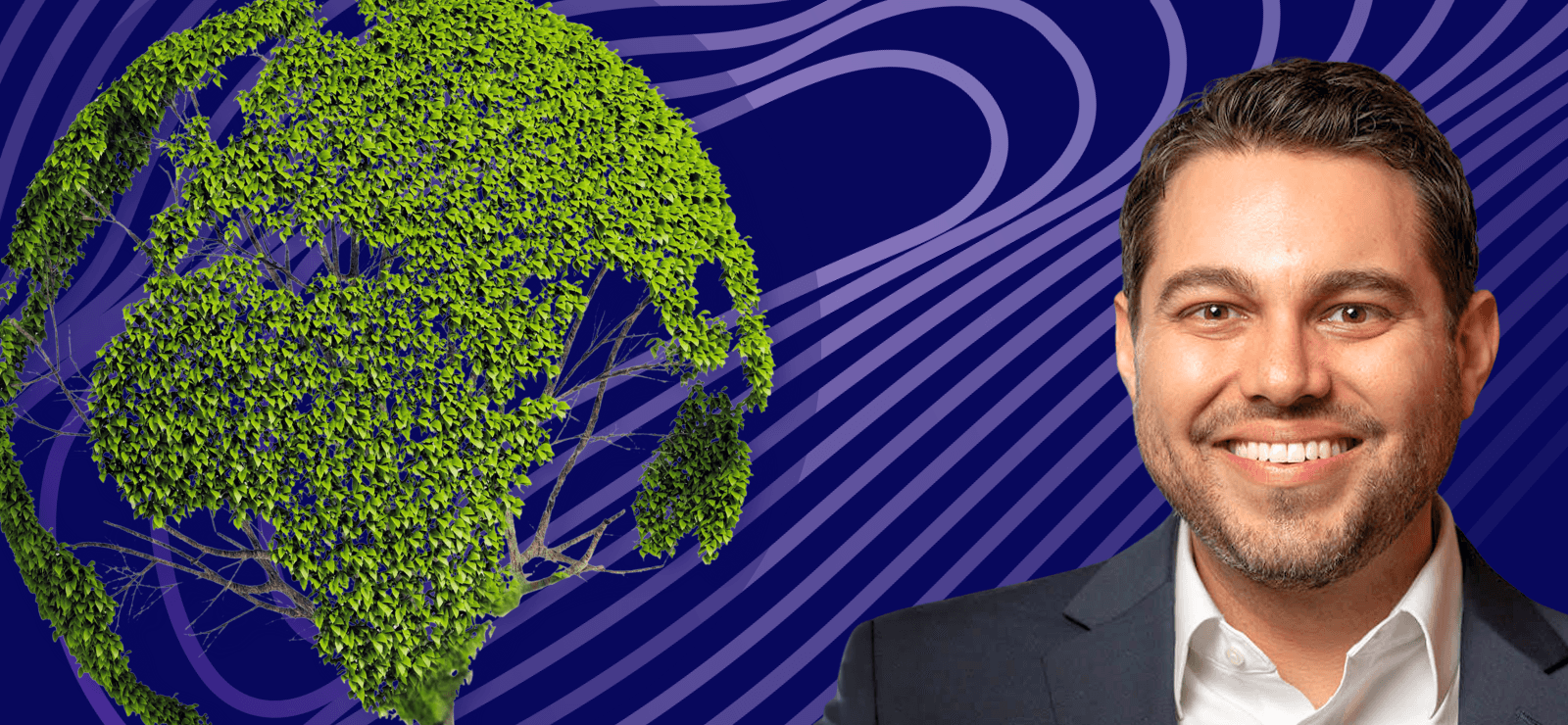
Envisioning Worldviews, Cultivating Values, and Transforming Systems For a Flourishing World
This course is the fourth in a series of five that are part of our 2026 Certificate Program in Process Thought & Practice. A limited number of seats are available for individuals not participating in the program.
- WHO: Andrew Schwartz
- WHAT: Six Interactive Sessions
-
WHEN: Tuesday, 5:00 – 7:00pm Pacific
September 8 – October 13 - WHERE: Online via Zoom
What is ecological civilization, and what transformations in worldview, values, and social systems are needed to bring it about? This course explores the philosophical foundations, historical roots, and practical possibilities of ecological civilization, drawing on process-relational thought to imagine—and help build—a more just, regenerative, and flourishing world.
Attend the live class sessions
or work at your own pace.
Course Summary
What is ecological civilization? What would it mean to create a civilization capable of sustaining the flourishing of people, communities, and the living world? And what transformations in our ways of thinking and living would such a transition require?
Ecological crisis is not simply a collection of environmental problems awaiting technological solutions. Climate change, biodiversity loss, economic inequality, social fragmentation, and unsustainable systems of production and consumption are interconnected symptoms of deeper patterns embedded within modern civilization. Addressing them requires us to examine the ideas and assumptions that have shaped the modern world—including how we understand nature, humanity, progress, value, community, and the economy—and to explore alternative ways of imagining our place within the larger community of life.
Foundations for Ecological Civilization approaches this task through the lens of process-relational thought. Beginning with a vision of ecological civilization, we will trace some of the historical and philosophical roots of our present crises before turning to Alfred North Whitehead’s ecological worldview as an alternative to the mechanistic and individualistic assumptions of modernity. From there, we will explore what this shift might mean for some of the basic systems through which civilization is organized, including food, agriculture, economics, and community.
The course ultimately moves from vision to critique, from critique to alternatives, and from alternatives to transformation. Through six sessions of philosophical reflection, interdisciplinary exploration, and practical conversation, participants will consider not only what an ecological civilization might look like, but how we might participate in bringing one into being.
Humanity’s future depends on transforming the story by which we live.
–David Korten, “The Living Universe Story”
Course Outline
- Session 1: What Is Ecological Civilization?
Where Do We Want to Go?
Rather than beginning with crisis, begin with possibility. What do we mean by “ecological civilization”? What would distinguish it from modern industrial civilization, and what might flourishing look like for people and the planet? - Session 2: The Roots of Our Ecological Crisis
How Did We Get Here?
Ecological breakdown has a history. This session explores some of the philosophical, economic, and technological assumptions of modernity that helped produce our current predicament—including mechanism, individualism, anthropocentrism, extractivism, and particular understandings of progress and economic growth. - Session 3: Whitehead’s Ecological Worldview
From Mechanism to Organism
What if the world is not fundamentally made up of separate things, but relationships and processes? Whitehead offers a radically different picture of reality—organic, relational, experiential, creative, and interconnected. This session explores how a process-relational worldview can provide a philosophical foundation for ecological civilization. - Session 4: Farmers and Philosophers
Rethinking Food and Agriculture
Few places make our relationship with the Earth more tangible than food. This session brings philosophical reflection into conversation with farming and agriculture, asking what our food systems reveal about our relationship with land, animals, communities, labor, and one another—and what regenerative alternatives might look like. - Sessions 5: From Ego-nomics to Eco-nomics
Rethinking Economy and Community
What is an economy for? Moving beyond an economic model centered primarily on individual accumulation and endless growth, this session considers economies as embedded within communities and ecosystems and explores alternative measures and models of prosperity, value, and flourishing. - Session 6: From Vision to Transformation
Building a New Paradigm
Modern industrial civilization cannot continue indefinitely. What will take its place? How can we help shape the transition? This final session explores the dynamics of systems change and strategies for moving toward ecological civilization, including top-down and bottom-up approaches, local and global action, institutional reform, alternative models, social movements, and the transformation of underlying values and worldviews.
About the Instructor
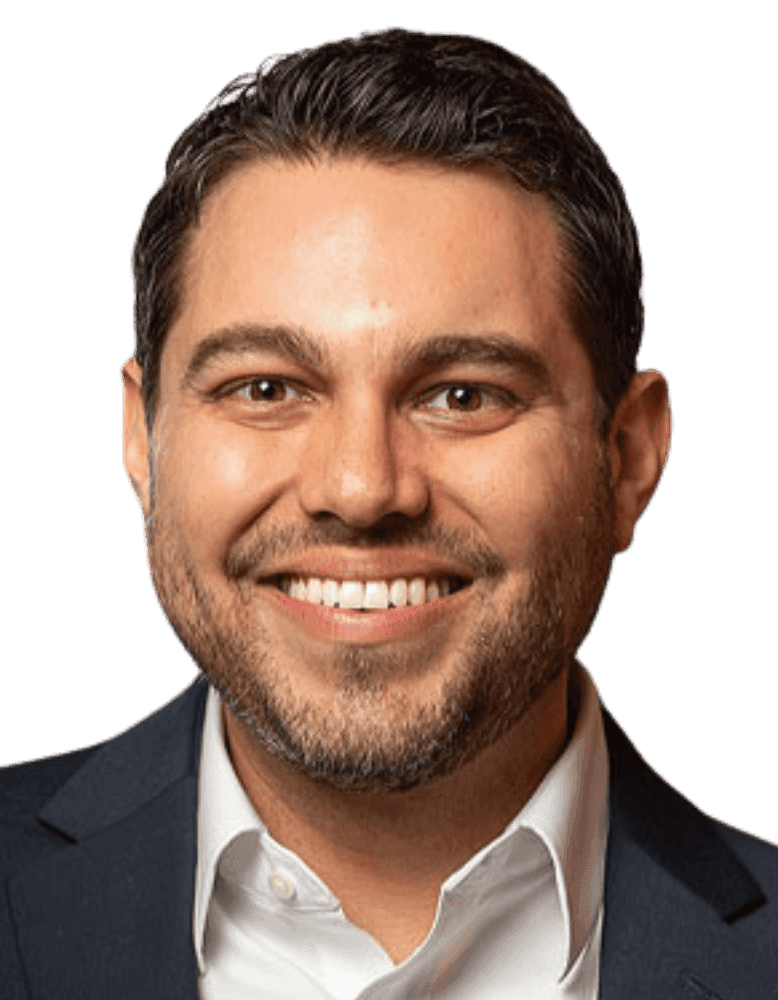
Wm. Andrew Schwartz
Dr. Wm. Andrew Schwartz is a scholar, educator, and activist working at the intersection of process philosophy, ecological civilization, and global cross-cultural engagement. He serves as Executive Director of the Center for Process Studies (CPS), Co-Founder of the Institute for Ecological Civilization (EcoCiv), and Associate Professor of Process Studies and Comparative Philosophy at Claremont School of Theology (CST). Most recently, he spent the 2025–26 academic year in China as Visiting Associate Professor at Beijing Normal–Hong Kong Baptist University (BNBU) in Zhuhai. His work explores the role of ideas, values, and worldviews in transforming social systems toward the long-term flourishing of people and the planet.
Share on Social Media
Help us spread the word by sharing the course on social media.
Tag us @ctr4process.
Price
- Lifetime access to course session recordings
- Receive early notification of future courses
- Watch live or follow your own schedule
- Interact with course participants via discussion forum